Territorial composition

Nature Sonore

Music written to be played outdoors, with the people of a place and with whatever already lives there.

Composing with a territory

An outdoor site is not a second-rate concert hall. It has its distances, its winds, its reverberation, its bird timetables, and residents who know where sound carries. Nature Sonore takes all of this as material.

Amateur and professional musicians, naturalists who know the area, the people who come to listen and the landscape itself all enter a collective work with what they know how to do. The work consists in building the situation in which this encounter produces music.

Each season settles in a territory, stays as long as it takes, and ends with an outdoor premiere, free and open to anyone passing by.
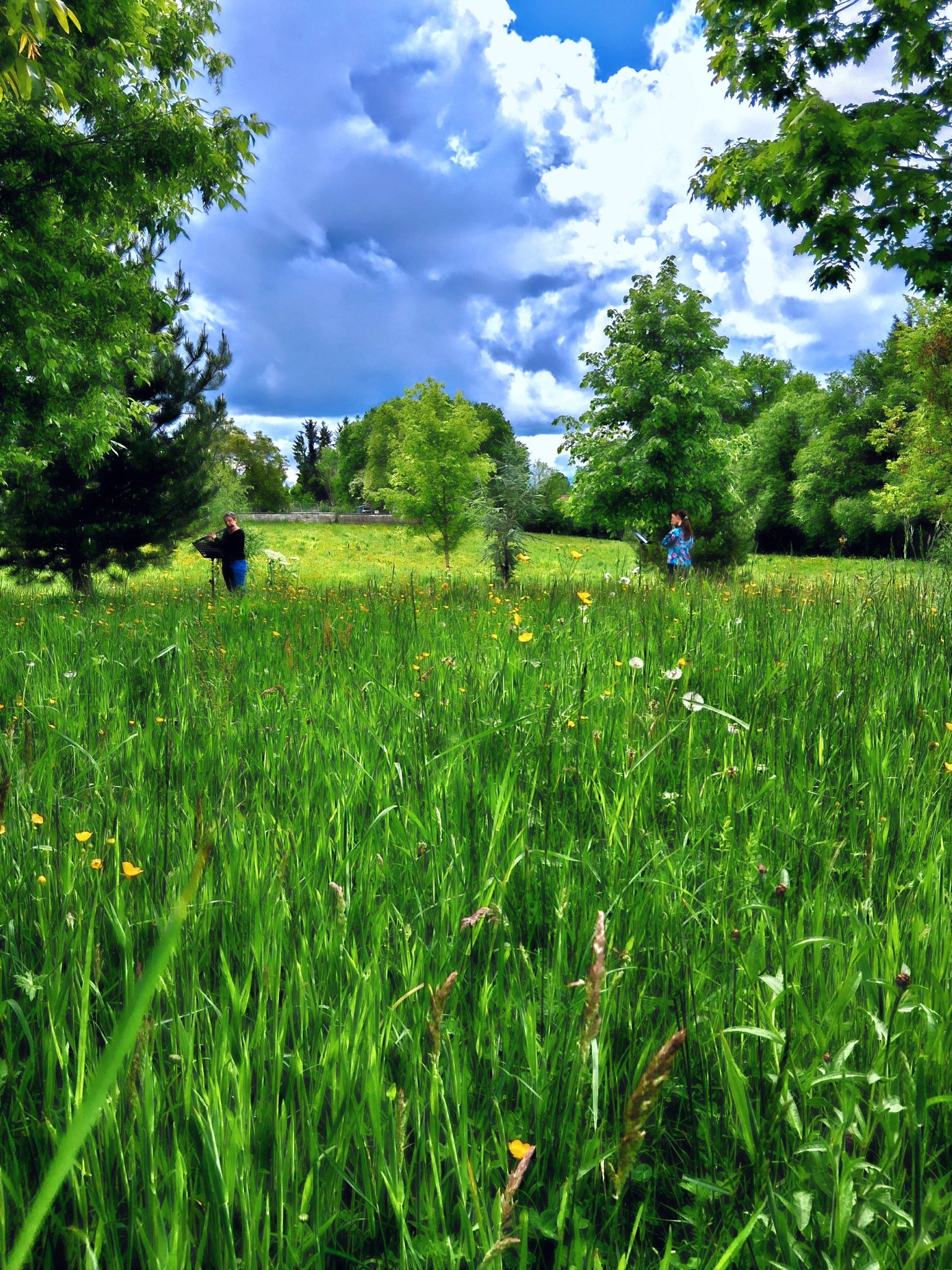
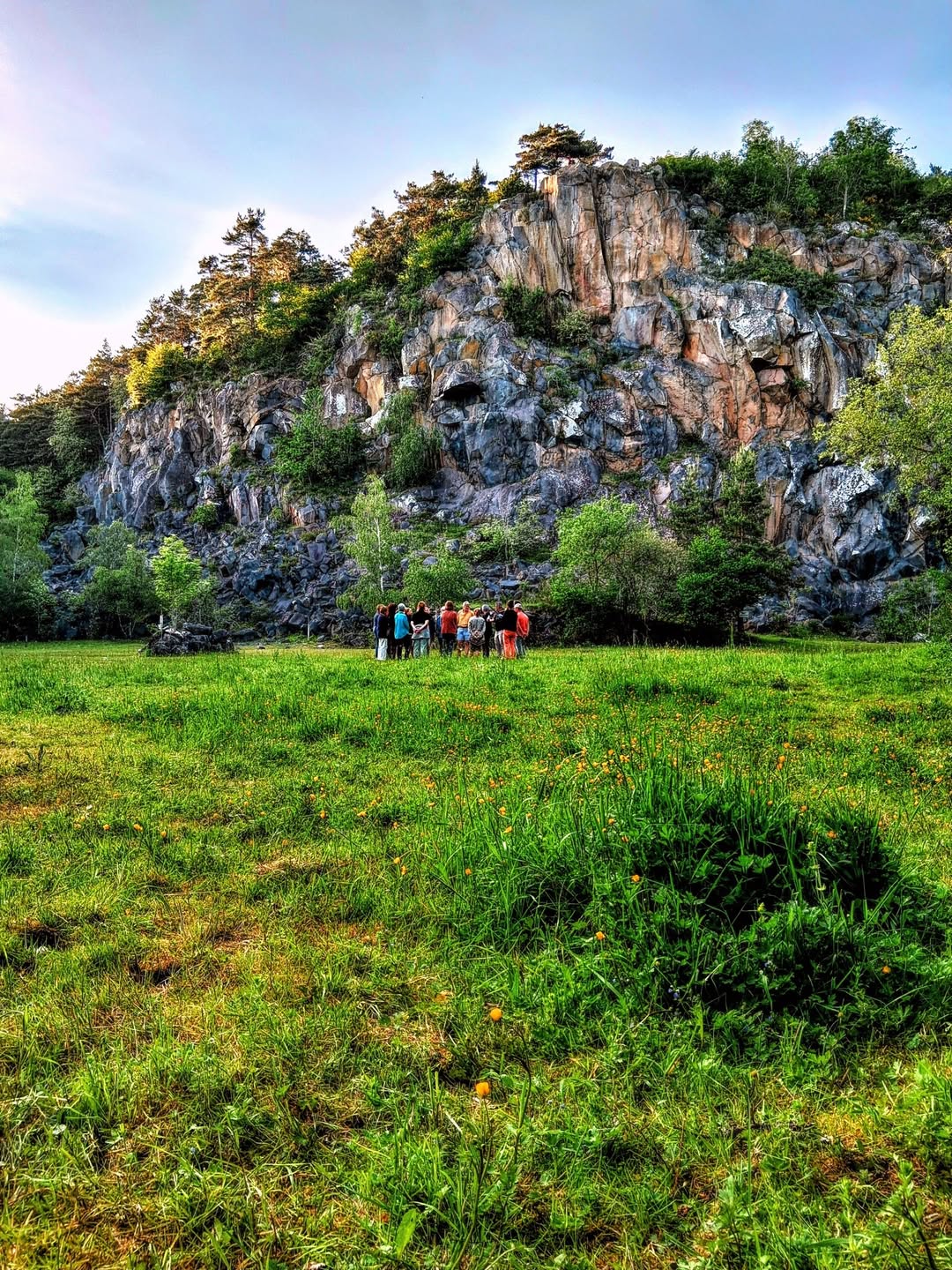
Nature Sonore en Combrailles: Être oiseau
Nature Sonore en Combrailles: Être oiseau.
Nature Sonore en Combrailles: Trame Verte
Nature Sonore en Combrailles: Trame Verte.

Four guiding choices

Outdoors, without a stage

No platform, no amplification, no rows of chairs. Sound comes from everywhere, and the best seat is wherever you are. You can walk, sit in the grass, let the children run.

Ecologically informed music

The input of the people who know the site (nature conservation trusts, bird protection groups, forestry and biodiversity agencies) is crucial: the music is tuned to the environment, the seasons, the species, the silences. Nothing living serves as scenery; everything plays its part.

Taking part, for real

The audience may be handed an instrument, help bring the site to life, and take part in artistic decisions. The shape of the piece depends on what they do with it. Being invited to applaud is not the same as being invited to play.

Pieces that travel

The works in the repertoire operate as protocols: flexible forces, adaptable durations, anchor points to be redefined on each site. The next territory rewrites them with its own forces.

Who makes it happen

Local music-making

Wind bands, music schools, choirs, conservatoires. They are the ones who play, and the season is built at their pace.

Creation centres

A national centre for musical creation or a festival brings co-production and a link to the professional network.

Nature organisations

Conservation trusts, bird protection groups, site managers. They open up the sites and share their knowledge of the living world.

Local authorities

Towns, groupings of municipalities, departments. Hosting, logistics, audiences, and the steady presence that makes one season lead to the next.

How a season is made

  1. Scouting Several days of listening on site with local naturalists. We note the species, the times, the distances, the spots where sound carries.
  2. Meetings Workshops with amateur and/or professional musicians, school classes, groups of residents. Everyone brings their instrument and their level.
  3. Adaptation The repertoire pieces are rewritten for this specific site and for the forces gathered. This happens on location.
  4. Residency Setting up and rehearsing in situ, in the real conditions of wind, light and distance.
  5. Premiere A public outdoor event, free admission, weather permitting. Often followed by an indoor concert the same evening.

The existing repertoire

Three pieces were created specifically for places and people. They can be performed again, or inspire new ones, wherever there is a landscape and people ready to listen.

Les Grands Oiseaux

small orchestra scattered across the landscape

The musicians spread out over the site, settling like birds choosing a perch. Some vanish behind the rocks, and you hear them from their hiding places. Twice, the landscape contracts into a dense block of sound.

Être oiseau

musical game for instrumentalists and a percussionist audience

Every singing bird holds a territory and marks its place in space. Each member of the audience receives a small instrument, explores their territory, listens to the others and answers them. Meanwhile, the instrumentalists play the song of the black wheatear, which has vanished from the French countryside.

Trame Verte

vocalists, instrumentalists and audience

A music that mimics ecological corridors, the invisible paths left open for animals to move along. Sounds and voices come and go, leaving a fragile trace across the site. Anyone who wishes adds their own voice to the weave.

Work in progress

a wildlife-watch piece, at nightfall

A form that alternates walking and stillness, at the hour when sight withdraws and hearing takes over. Being written for forest sites.

The seasons

Year 1

Nature Sonore en Combrailles

Spring 2026 · Roche de Sauterre, Manzat (Puy-de-Dôme)

A season led with the Union Musicale en Combrailles, co-produced by Grame, national centre for musical creation.

See Year 1
Year 2

In preparation

Puy-de-Dôme and Auvergne-Rhône-Alpes

The project widens to other towns and other natural sites. Interested territories can get in touch now.

Host a season

You need an outdoor site, an amateur ensemble ready to play, a few willing naturalists and a year ahead of you. Everything else is open to discussion.

Write to Grégoire Lorieux